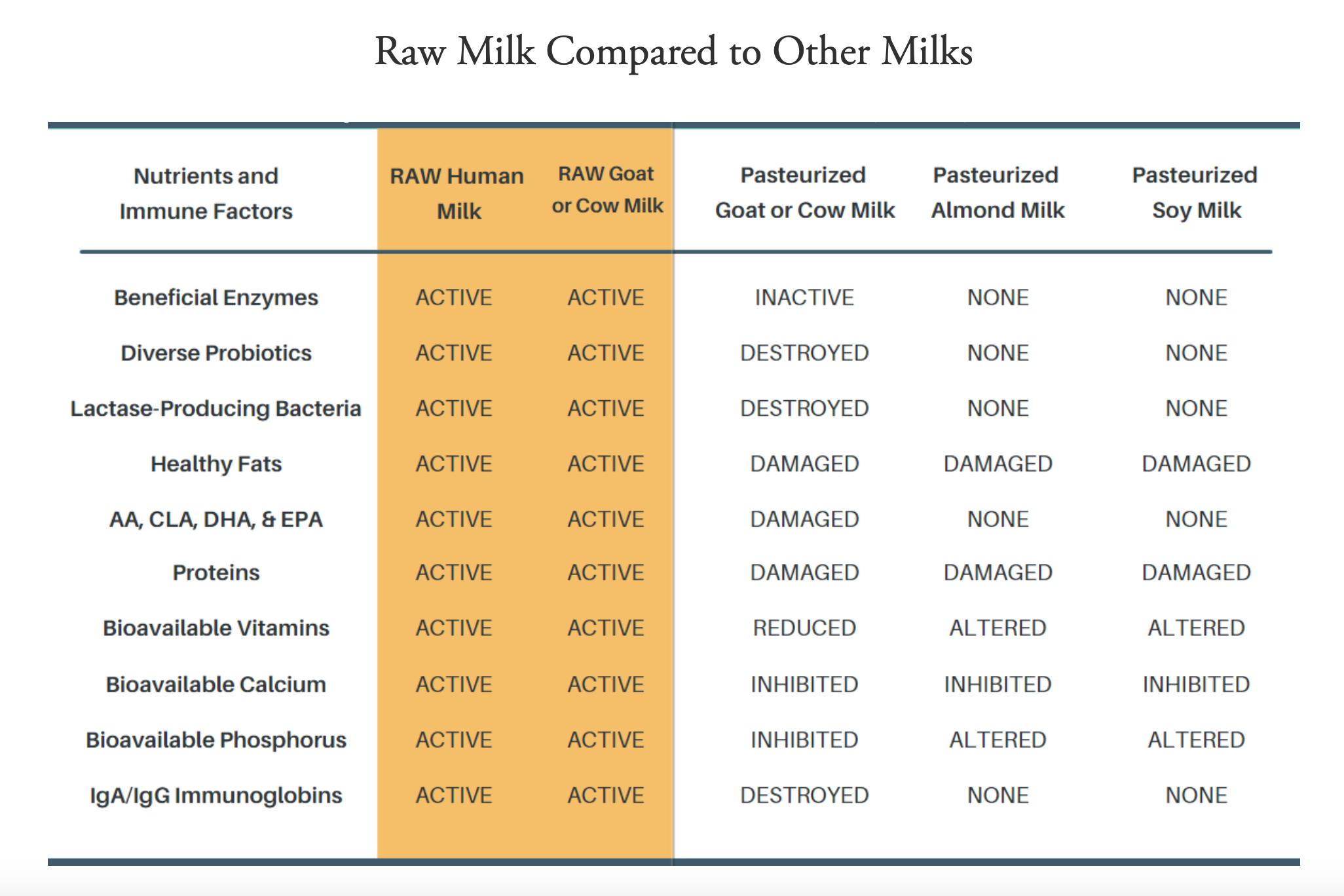
Raw milk is unprocessed milk that comes directly from cows, goats, or sheep. It is often sought after for its rich flavor and potential nutritional benefits. Many people search for Raw Milk Nutrition Facts to understand its composition and how it can fit into their diets.
This type of milk is consumed by those who prefer natural foods and believe in the benefits of consuming dairy in its raw form. Understanding the nutrition profile of raw milk can help individuals make informed dietary choices.
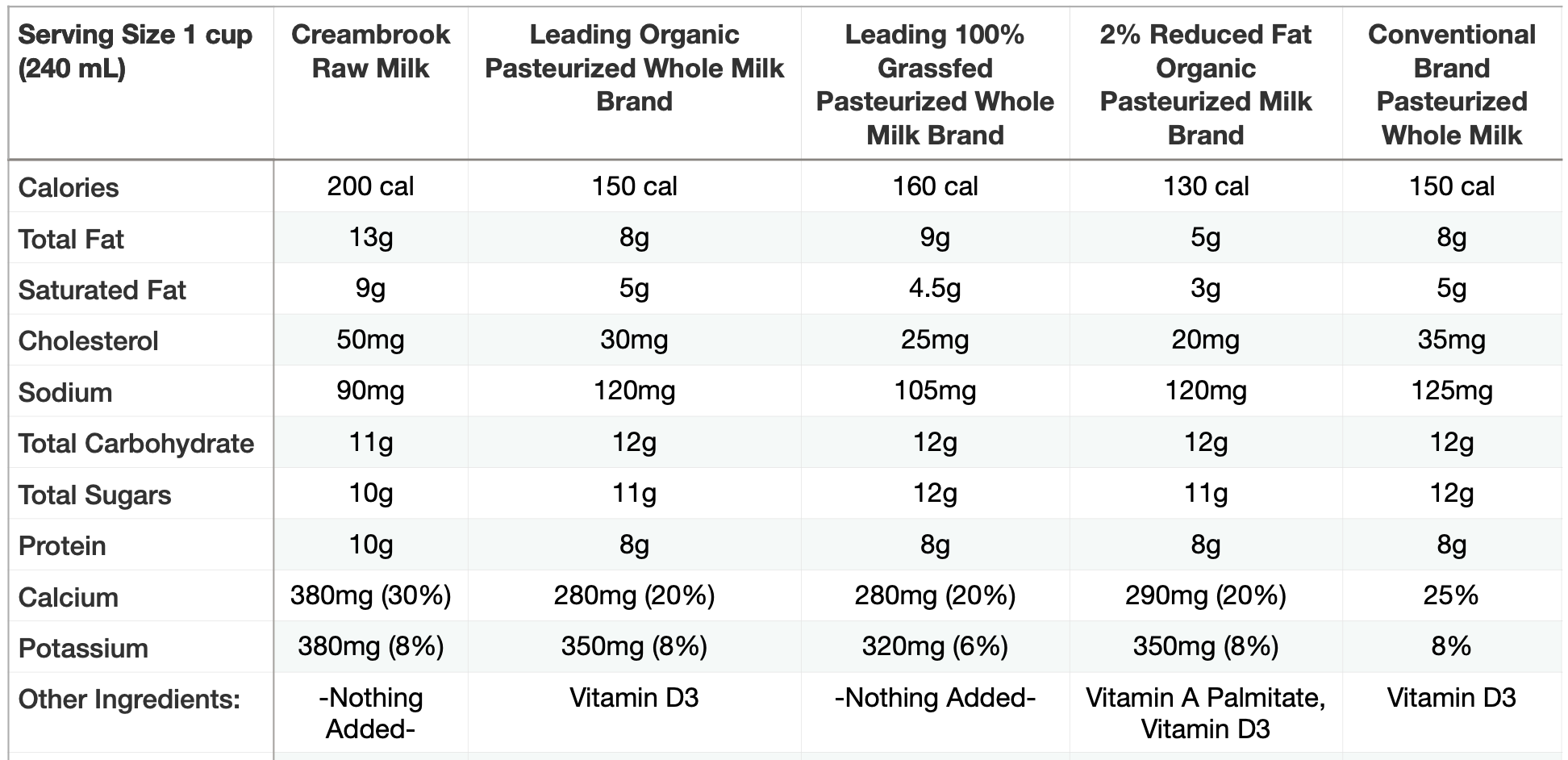
Serving Size and Calories
A standard serving size of raw milk is typically 1 cup (240 ml), which contains approximately 150 calories. This serving size provides a good baseline for evaluating its nutritional content.
Nutrition Facts Table
| Nutrient | Amount per Serving | % Daily Value |
|---|---|---|
| Calories | 150 | N/A |
| Total Fat | 8 g | 10% |
| Saturated Fat | 5 g | 25% |
| Cholesterol | 30 mg | 10% |
| Sodium | 100 mg | 4% |
| Total Carbohydrates | 12 g | 4% |
| Dietary Fiber | 0 g | N/A |
| Total Sugars | 11 g | N/A |
| Protein | 8 g | 16% |
| Calcium | 300 mg | 30% |
| Iron | 0.1 mg | N/A |
| Potassium | 400 mg | 8% |
| Magnesium | 24 mg | 6% |
Macronutrients Overview
Raw milk contains a balance of macronutrients, including approximately 8 grams of fat, 12 grams of carbohydrates, and 8 grams of protein per serving. The fat content contributes to its creamy texture and rich flavor, while the carbohydrates primarily come from lactose, a natural sugar found in milk. The protein in raw milk supports muscle health and overall nutrition. Including raw milk in a balanced diet can provide essential nutrients while complementing other food sources.
Potential Health Benefits
The nutrients found in raw milk may offer several potential benefits. For instance, the calcium content supports bone health, while protein aids in muscle repair and growth. Additionally, the presence of healthy fats can contribute to satiety and provide energy. However, it is important to consume raw milk as part of a varied diet to ensure a comprehensive intake of nutrients.
Things to Consider Before Eating
When considering raw milk, it is essential to be mindful of its calorie content, which can add up if consumed in large quantities. The sugar content may also be a factor for those monitoring their sugar intake. Additionally, the fat content is relatively high, so portion control is advisable. Preparation methods can influence the overall safety and quality of raw milk; therefore, sourcing from reputable farms is crucial.
Are Raw Milk Healthy?
Raw milk can be a healthy addition to some diets when consumed in moderation. Its nutritional profile offers various benefits; however, it should be considered within the context of an individual’s overall dietary habits and lifestyle choices. Proper serving sizes and preparation methods are important to maximize its benefits while minimizing any potential risks.
Frequently Asked Questions
How many calories are in Raw Milk? A standard serving size of raw milk contains approximately 150 calories.
Is Raw Milk good for weight loss? Raw milk can be included in a weight loss plan when consumed in moderation as part of a balanced diet.
Is Raw Milk high in protein? Yes, raw milk contains about 8 grams of protein per serving, making it a good source of this macronutrient.
Is Raw Milk suitable for keto diets? Raw milk contains carbohydrates primarily from lactose; therefore, it may not be suitable for strict keto diets that limit carb intake.
Disclaimer
Nutrition values are estimates and may vary depending on brand, preparation method, and serving size.