Glucerna is a specialized nutritional product designed for individuals managing diabetes or those seeking to maintain stable blood sugar levels. People often search for Glucerna Therapeutic Nutrition Facts to understand its nutritional profile and how it can fit into their dietary needs. This information helps consumers make informed choices about incorporating Glucerna into their meal plans.
Typically, a standard serving size of Glucerna is 8 fluid ounces (240 mL), which contains approximately 220 calories. This serving size provides a balanced mix of macronutrients tailored to support individuals looking for therapeutic nutrition options.
Serving Size and Calories
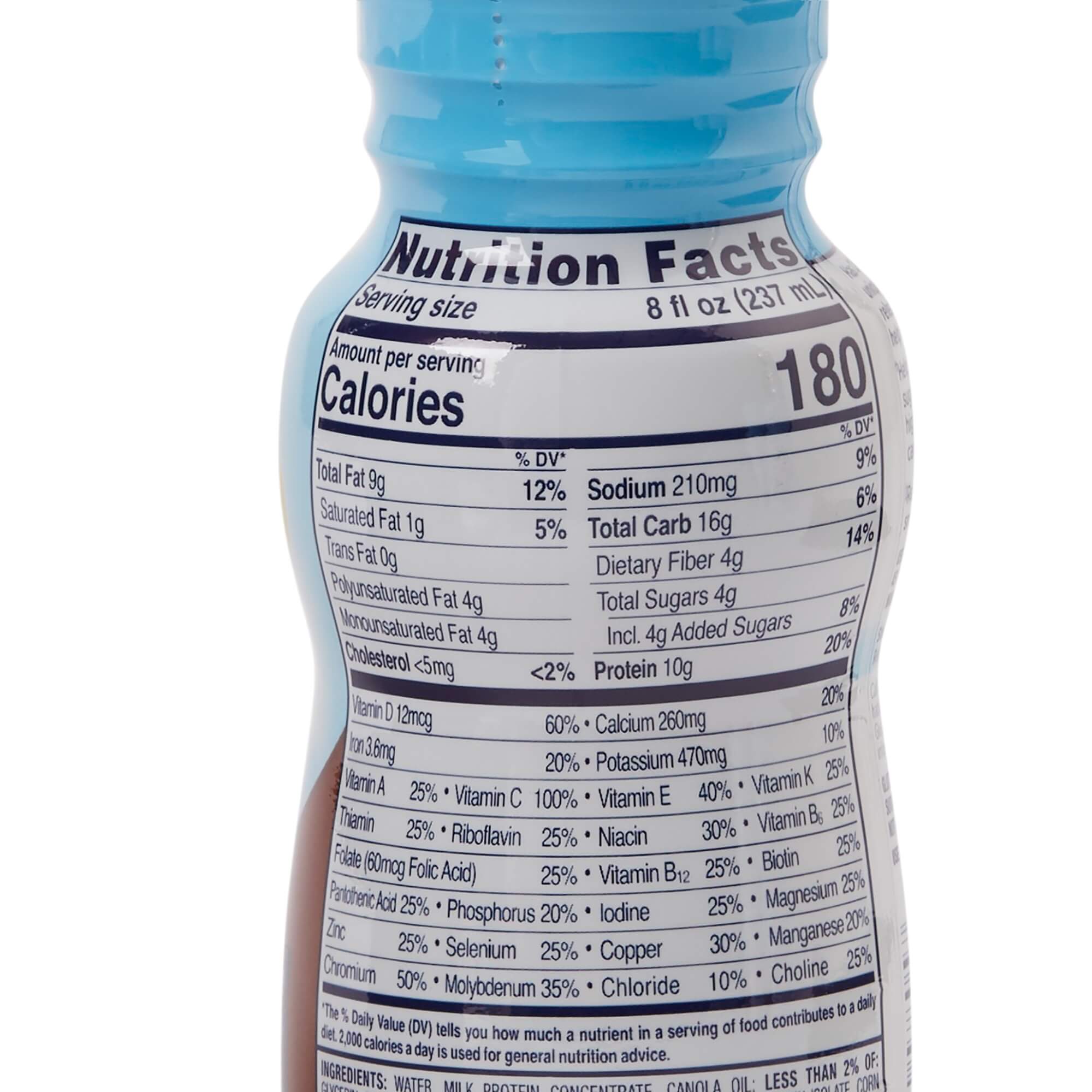
The standard serving size for Glucerna is 8 fluid ounces (240 mL), which contains about 220 calories. This calorie count makes it a suitable option for those looking to manage their caloric intake while still receiving essential nutrients.
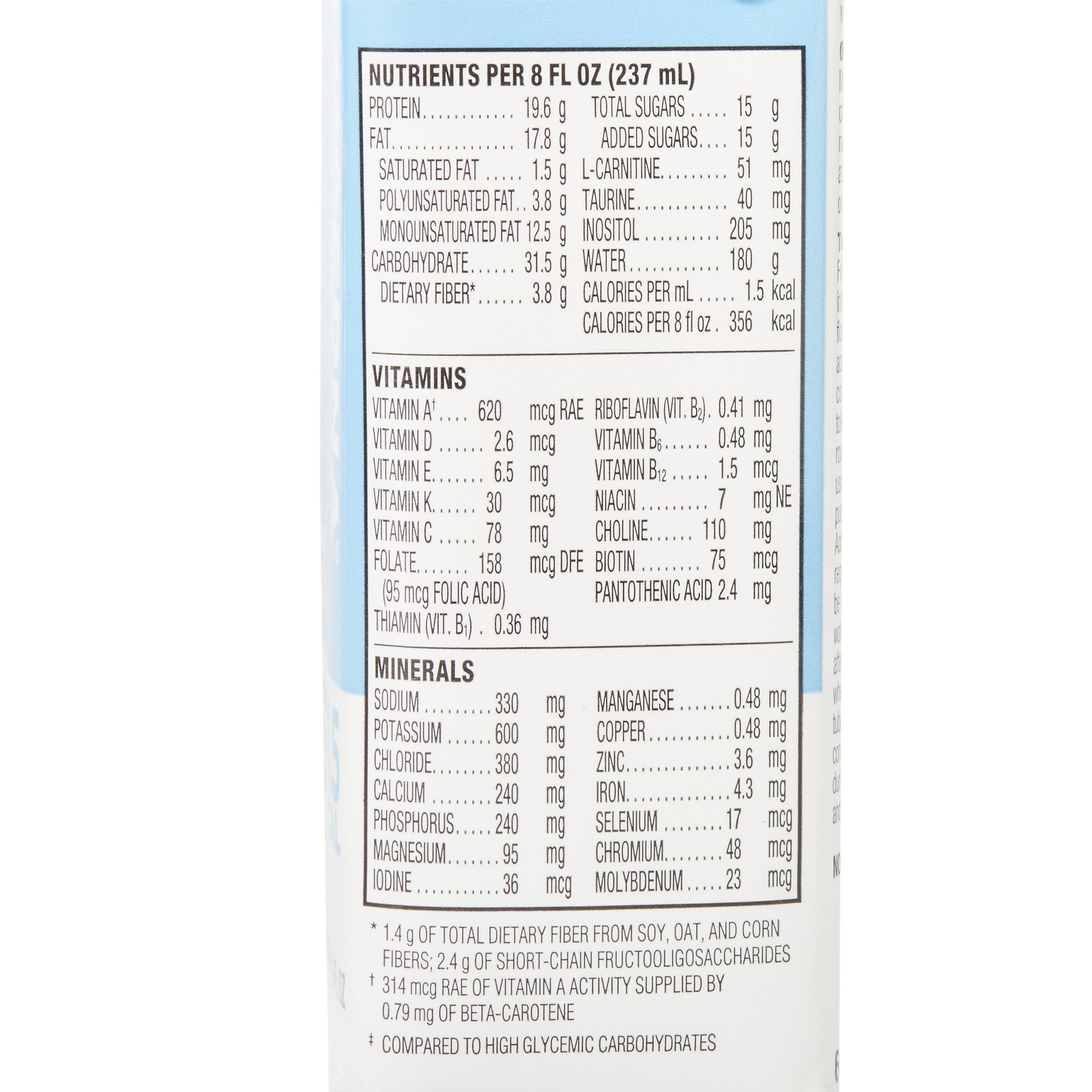
Nutrition Facts Table
| Nutrient | Amount per Serving | % Daily Value |
|---|---|---|
| Calories | 220 | N/A |
| Total Fat | 9 g | 14% |
| Saturated Fat | 1 g | 5% |
| Cholesterol | 5 mg | 2% |
| Sodium | 130 mg | 6% |
| Total Carbohydrates | 30 g | 10% |
| Dietary Fiber | 3 g | 12% |
| Total Sugars | 8 g | N/A |
| Protein | 10 g | 20% |
| Calcium | 300 mg | 30% |
| Iron | 1.5 mg | 8% |
| Potassium | 350 mg | 10% |
| Magnesium | 50 mg | 12% |
Macronutrients Overview
The estimated macronutrient composition of Glucerna includes approximately 9 grams of total fat, with only 1 gram being saturated fat. It contains around 30 grams of carbohydrates, including 3 grams of dietary fiber and 8 grams of sugars. The protein content is about 10 grams per serving, making it a balanced option for those looking to manage their macronutrient intake. Incorporating Glucerna into a balanced diet can help individuals meet their nutritional needs while enjoying a convenient meal replacement option.
Potential Health Benefits
The nutrients found in Glucerna may offer several potential benefits. The presence of dietary fiber can support digestive health, while the protein content may help in maintaining muscle mass. Additionally, the controlled carbohydrate content is designed to assist in managing blood sugar levels, making it suitable for individuals monitoring their glucose intake. Overall, these nutrients contribute to a well-rounded approach to nutrition.
Things to Consider Before Eating
<pWhen considering Glucerna, it’s important to be mindful of its calorie content and sugar levels. With 220 calories per serving and 8 grams of sugars, it can fit into various dietary plans but should be consumed in moderation. Additionally, the sodium content is relatively low at 130 mg per serving, which may be beneficial for those watching their salt intake. Portion size and preparation methods should also be considered to ensure it aligns with individual dietary goals.
Are Glucerna Healthy?
<pGlucerna can be considered a healthy option when consumed in moderation and as part of a balanced diet. Its nutritional profile supports individuals looking for therapeutic nutrition solutions without making any medical claims. The key is to consider serving size and overall dietary context when incorporating Glucerna into daily meals.
Frequently Asked Questions
How many calories are in Glucerna? A standard serving of Glucerna contains approximately 220 calories.
Is Glucerna good for weight loss? While Glucerna can be part of a weight management plan due to its controlled calorie content, individual results may vary based on overall diet and lifestyle.
Is Glucerna high in protein? Yes, Glucerna contains about 10 grams of protein per serving, which can help support muscle maintenance.
Is Glucerna suitable for keto diets? Due to its carbohydrate content, Glucerna may not be ideal for strict keto diets but could fit into more flexible low-carb eating plans.
Disclaimer
Nutrition values are estimates and may vary depending on brand, preparation method, and serving size.