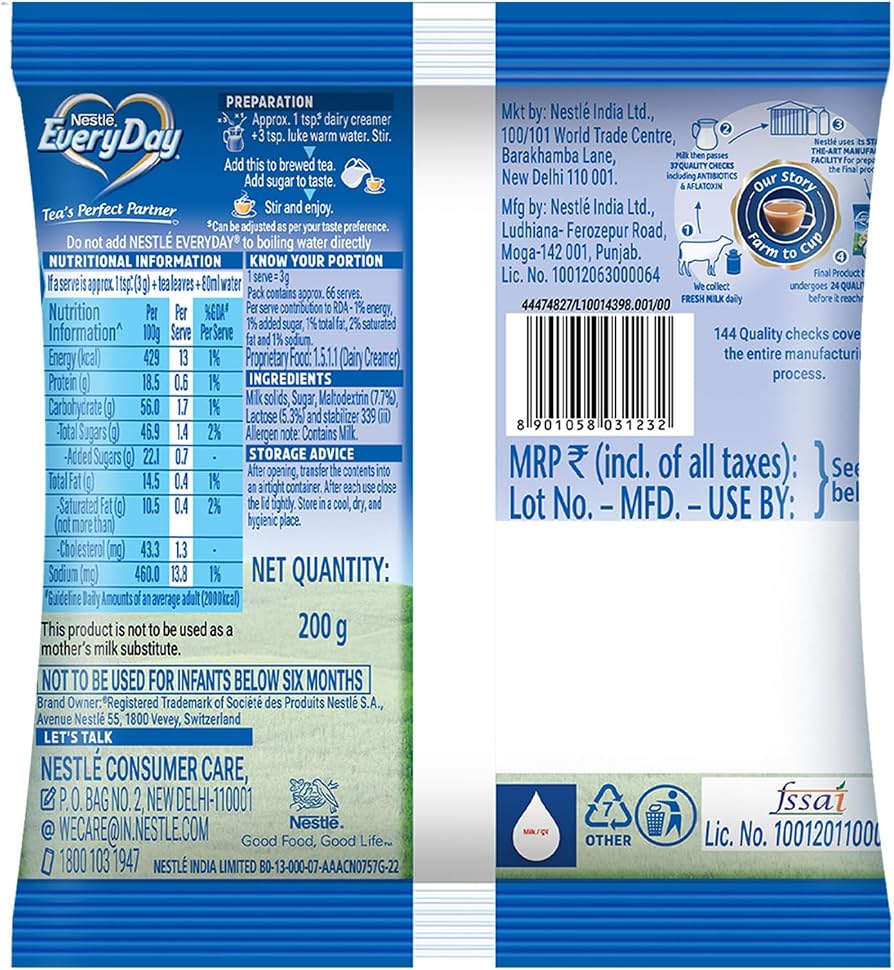
Nestle Everyday Milk Powder is a popular dairy product that many people use for cooking, baking, or as a convenient source of nutrition. It is often sought after for its versatility and the nutritional benefits it may provide. Understanding the Nestle Everyday Milk Powder Nutrition Facts can help consumers make informed choices about incorporating it into their diets.
This milk powder is typically used as a substitute for fresh milk, offering a longer shelf life and ease of storage. People search for its nutrition information to assess its caloric content, macronutrient breakdown, and overall health benefits, making the Nestle Everyday Milk Powder Nutrition Facts a common query among health-conscious individuals.
Serving Size and Calories
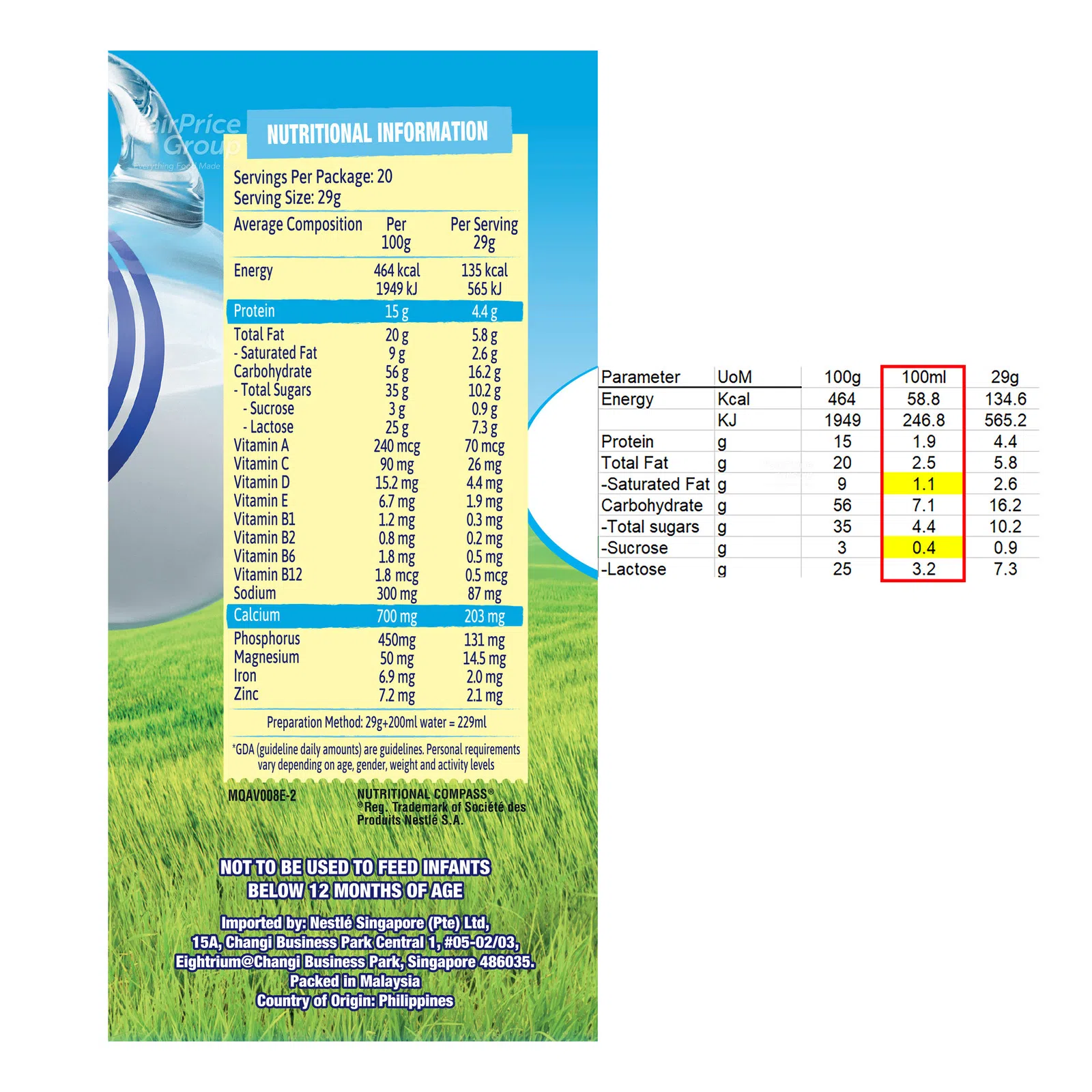
The standard serving size for Nestle Everyday Milk Powder is 30 grams, which contains approximately 120 calories. This serving size provides a convenient measure for those looking to incorporate the powder into their daily meals or recipes.
Nutrition Facts Table
| Nutrient | Amount per Serving | % Daily Value |
|---|---|---|
| Calories | 120 | N/A |
| Total Fat | 4 g | 6% |
| Saturated Fat | 2.5 g | 13% |
| Cholesterol | 15 mg | 5% |
| Sodium | 100 mg | 4% |
| Total Carbohydrates | 18 g | 6% |
| Dietary Fiber | 0 g | 0% |
| Total Sugars | 14 g | N/A |
| Protein | 8 g | 16% |
| Calcium | 300 mg | 30% |
| Iron | 0.1 mg | N/A |
| Potassium | 400 mg | 8% |
| Magnesium | 20 mg | 5% |
Macronutrients Overview
Nestle Everyday Milk Powder contains a balanced mix of macronutrients. Each serving provides about 4 grams of total fat, with 2.5 grams being saturated fat. The carbohydrate content is approximately 18 grams, including around 14 grams of sugars. Additionally, it offers about 8 grams of protein per serving, making it a decent source of this essential nutrient. The absence of dietary fiber indicates that it may not contribute significantly to daily fiber intake but can still be part of a balanced diet when combined with other fiber-rich foods.
Potential Health Benefits
The nutrients found in Nestle Everyday Milk Powder can contribute to various health benefits. For instance, the calcium content supports bone health, while protein aids in muscle maintenance and repair. The presence of potassium can help maintain healthy blood pressure levels. Including this milk powder in recipes or beverages can enhance the nutritional profile of meals without excessive calories.
Things to Consider Before Eating
When considering Nestle Everyday Milk Powder, it’s important to be mindful of its calorie and sugar content. With 120 calories and 14 grams of sugar per serving, moderation is key, especially for those monitoring their sugar intake. Additionally, the sodium content at 100 mg should be taken into account if you are watching your salt consumption. The preparation method can also affect the overall nutritional value; for example, mixing it with water versus using it in baked goods may yield different results.
Are Nestle Everyday Milk Powder Healthy?
Nestle Everyday Milk Powder can be a healthy addition to your diet when consumed in moderation and as part of a balanced meal plan. Its nutritional profile offers benefits such as protein and calcium while providing convenience in cooking and baking. However, it’s essential to consider portion sizes and how it fits into your overall dietary needs.
Frequently Asked Questions
How many calories are in Nestle Everyday Milk Powder? A standard serving size of Nestle Everyday Milk Powder contains approximately 120 calories.
Is Nestle Everyday Milk Powder good for weight loss? While it can fit into a weight-loss plan due to its protein content, moderation is important due to its calorie and sugar levels.
Is Nestle Everyday Milk Powder high in protein? Yes, each serving provides about 8 grams of protein, making it a good source of this macronutrient.
Is Nestle Everyday Milk Powder suitable for keto diets? Due to its carbohydrate content, it may not be ideal for strict keto diets but can be included in moderation depending on individual carb limits.
Disclaimer
Nutrition values are estimates and may vary depending on brand, preparation method, and serving size.