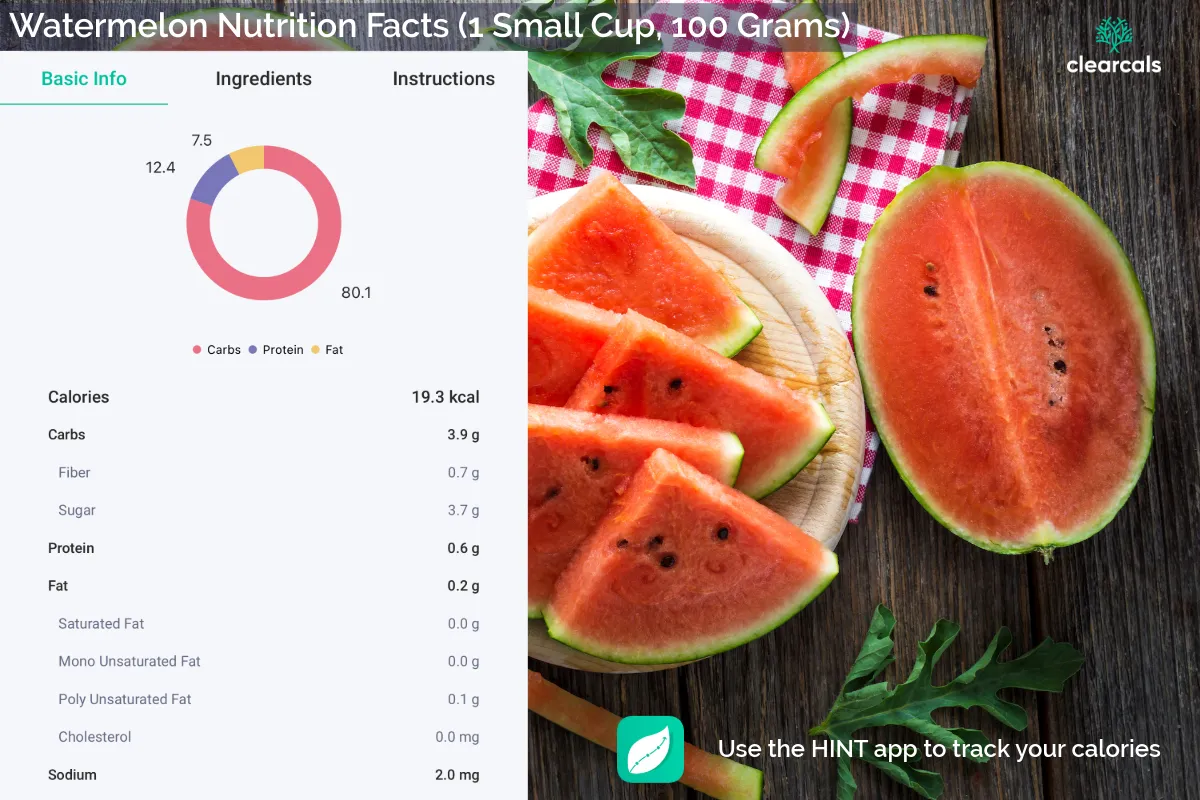
Watermelon is a refreshing and hydrating fruit that is popular during the warmer months. Known for its sweet taste and high water content, it is often enjoyed fresh, in salads, or as juice. People frequently search for its nutrition information, particularly “Watermelon Calories 1 Cup And Nutrition Facts,” to understand how it fits into their dietary needs.
This vibrant fruit is not only delicious but also low in calories, making it a favorite among those looking to maintain a healthy lifestyle. Understanding the nutritional profile of watermelon can help individuals make informed choices about their diet.
Serving Size and Calories
A standard serving size of watermelon is one cup, which contains approximately 46 calories. This low-calorie count makes watermelon an excellent choice for those seeking a light snack or a hydrating addition to meals.
Nutrition Facts Table
| Nutrient | Amount per Serving | % Daily Value |
|---|---|---|
| Calories | 46 | N/A |
| Total Fat | 0.2 g | 0% |
| Saturated Fat | 0 g | 0% |
| Cholesterol | 0 mg | 0% |
| Sodium | 1 mg | 0% |
| Total Carbohydrates | 11.6 g | 4% |
| Dietary Fiber | 0.4 g | 2% |
| Total Sugars | 9.4 g | N/A |
| Protein | 0.9 g | 2% |
| Calcium | 18 mg | 2% |
| Iron | 0.2 mg | 1% |
| Potassium | 170 mg | 5% |
| Magnesium | 15 mg | 4% |
Macronutrients Overview
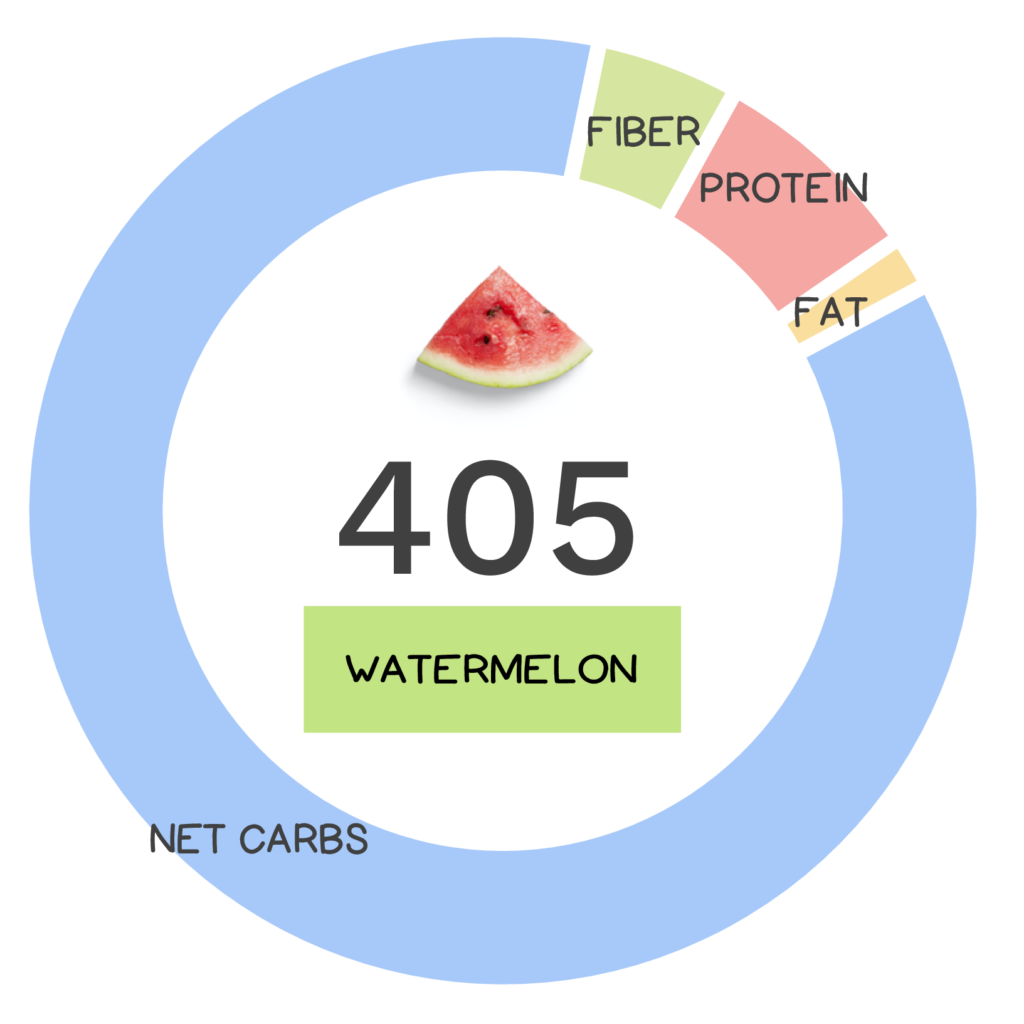
In one cup of watermelon, there are minimal amounts of fat, with only 0.2 grams present. The carbohydrate content is approximately 11.6 grams, primarily from natural sugars, which contribute to its sweet flavor. Watermelon also contains about 0.9 grams of protein and 0.4 grams of dietary fiber per serving. This combination of macronutrients makes watermelon a light and refreshing option that can easily fit into a balanced diet.
Potential Health Benefits
Watermelon is rich in vitamins and minerals, including vitamin C and potassium, which can support overall health. The high water content helps with hydration, especially during hot weather. Additionally, the antioxidants found in watermelon may contribute to overall wellness by combating oxidative stress in the body.
Things to Consider Before Eating
While watermelon is low in calories and fat, it does contain natural sugars that may be a consideration for those monitoring their sugar intake. The sodium content is minimal, making it a heart-healthy choice. Portion size is important; enjoying watermelon in moderation can help maintain balanced sugar levels while still benefiting from its refreshing taste.
Are Watermelon Healthy?
Watermelon can be considered a healthy addition to most diets when consumed in moderation. Its low calorie count and hydrating properties make it an excellent snack or dessert option. However, individuals should consider their overall dietary context and portion sizes to ensure they enjoy watermelon as part of a balanced diet.
Frequently Asked Questions
How many calories are in Watermelon? One cup of watermelon contains approximately 46 calories.
Is Watermelon good for weight loss? Watermelon can be beneficial for weight loss due to its low calorie content and high water content, which may help with satiety.
Is Watermelon high in protein? Watermelon is not high in protein; it contains about 0.9 grams of protein per cup.
Is Watermelon suitable for keto diets? Watermelon may not be ideal for strict keto diets due to its carbohydrate content, but it can be enjoyed in moderation within a more flexible approach.
Disclaimer
Nutrition values are estimates and may vary depending on brand, preparation method, and serving size.