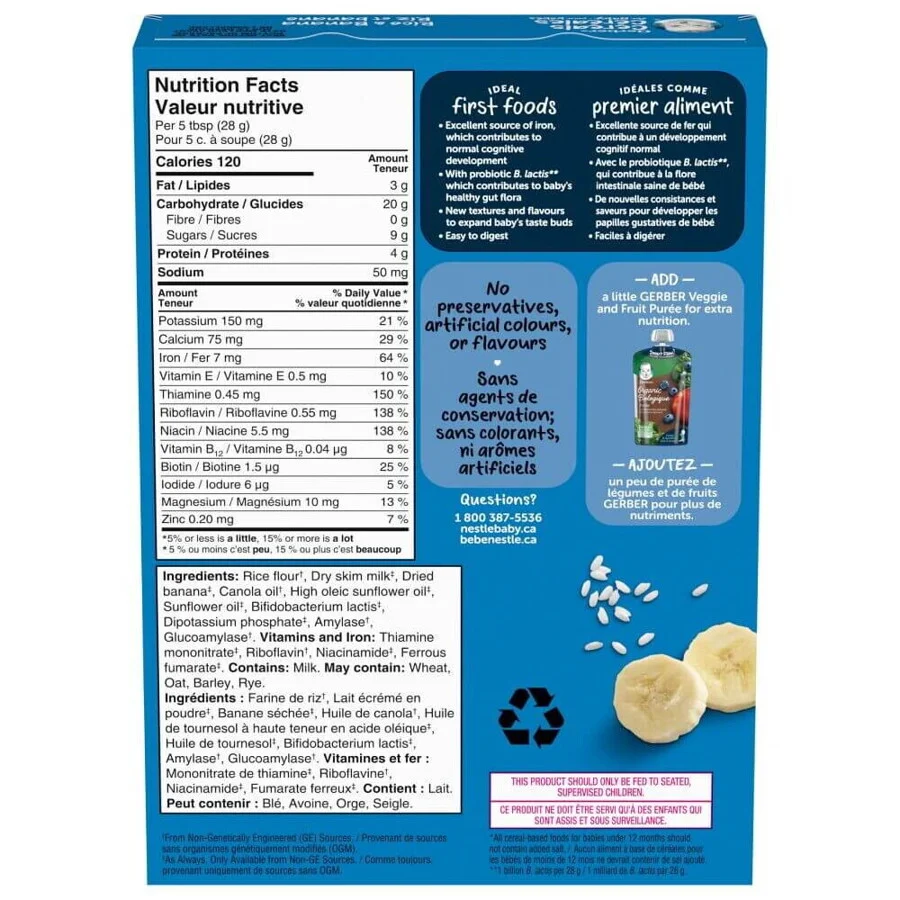
Infant cereal is a popular first food for babies, providing essential nutrients needed for growth and development. Parents often search for Infant Cereal Nutrition Facts to understand the nutritional value of this food, ensuring it meets their child’s dietary needs. With various options available, knowing the nutrition information helps in making informed choices.
Typically, infant cereal is fortified with vitamins and minerals, making it a nutritious option for infants transitioning to solid foods. Understanding the serving size and calorie content is crucial for parents looking to incorporate this food into their baby’s diet.
Serving Size and Calories
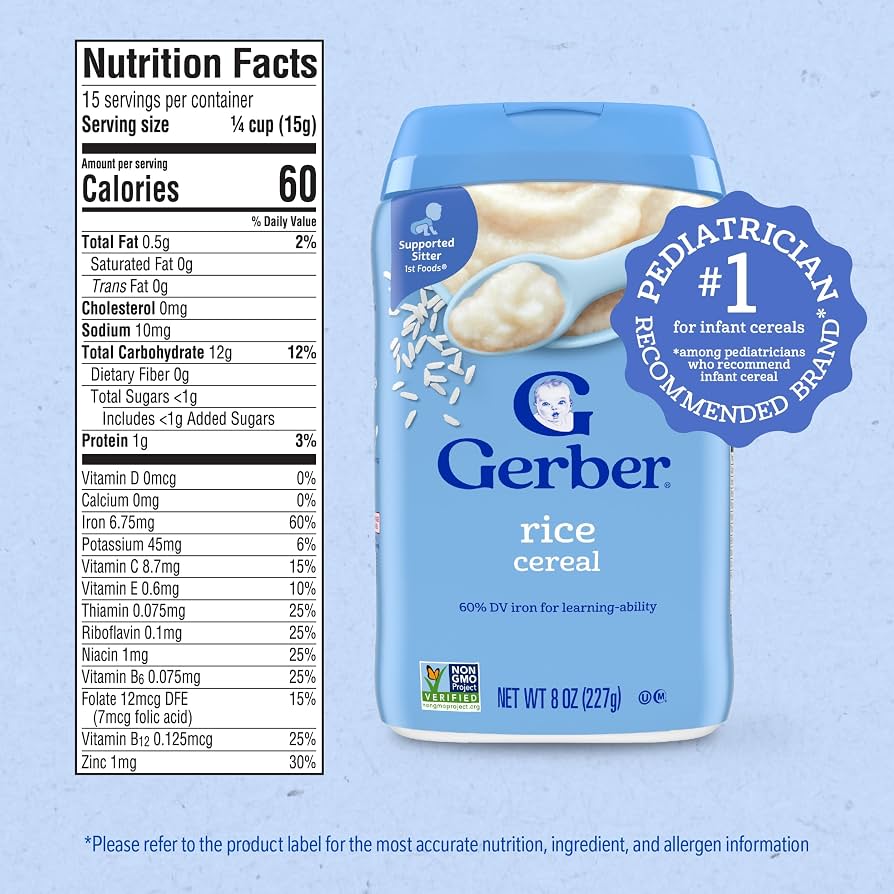
A standard serving size of infant cereal is usually around 1/4 cup (30 grams) when prepared with water or breast milk. This serving size contains approximately 100 calories, making it a suitable option for a meal or snack for infants.
Nutrition Facts Table
| Nutrient | Amount per Serving | % Daily Value |
|---|---|---|
| Calories | 100 | N/A |
| Total Fat | 1g | 2% |
| Saturated Fat | 0g | 0% |
| Cholesterol | 0mg | 0% |
| Sodium | 5mg | 0% |
| Total Carbohydrates | 22g | 7% |
| Dietary Fiber | 1g | 4% |
| Total Sugars | 1g | N/A |
| Protein | 3g | 6% |
| Calcium | 50mg | 4% |
| Iron | 4mg | 20% |
| Potassium | 100mg | 2% |
| Magnesium | 10mg | N/A |
Macronutrients Overview
In a typical serving of infant cereal, the estimated fat content is low at around 1 gram, which is beneficial for infants as they require healthy fats for brain development. The carbohydrate content is approximately 22 grams, primarily from whole grains, providing energy for active babies. Protein content is about 3 grams, supporting growth and muscle development. Additionally, the fiber content of 1 gram aids in digestion, making it a balanced option in an infant’s diet.
Potential Health Benefits
Infant cereal can offer several potential benefits due to its nutrient composition. The presence of iron is particularly important as it supports cognitive development in infants. Calcium and magnesium contribute to strong bone health, while the carbohydrates provide necessary energy for daily activities. The fiber content can also help promote healthy digestion in young children.
Things to Consider Before Eating
When considering infant cereal, it’s essential to be mindful of the calorie content and sugar levels. While it provides necessary nutrients, parents should ensure that portion sizes are appropriate for their child’s age and dietary needs. Additionally, preparation methods can influence the overall nutrition; mixing with breast milk or formula can enhance nutrient absorption. Monitoring sodium levels is also important to maintain a balanced diet.
Are Infant Cereal Healthy?
Infant cereal can be a healthy addition to an infant’s diet when consumed in moderation and as part of a varied diet. The serving size should be appropriate for the child’s age and nutritional requirements. Parents should consider how the cereal fits into their overall meal plan and preparation methods to maximize its benefits without over-relying on any single food source.
Frequently Asked Questions
How many calories are in Infant Cereal? A standard serving of infant cereal contains approximately 100 calories.
Is Infant Cereal good for weight loss? Infant cereal is not typically considered for weight loss; it is designed to meet the nutritional needs of infants.
Is Infant Cereal high in protein? Infant cereal contains about 3 grams of protein per serving, which is moderate but sufficient for infants.
Is Infant Cereal suitable for keto diets? Infant cereal is generally not suitable for keto diets due to its carbohydrate content.
Disclaimer
Nutrition values are estimates and may vary depending on brand, preparation method, and serving size.